

Heavy Haul & Oversize Trucking Services
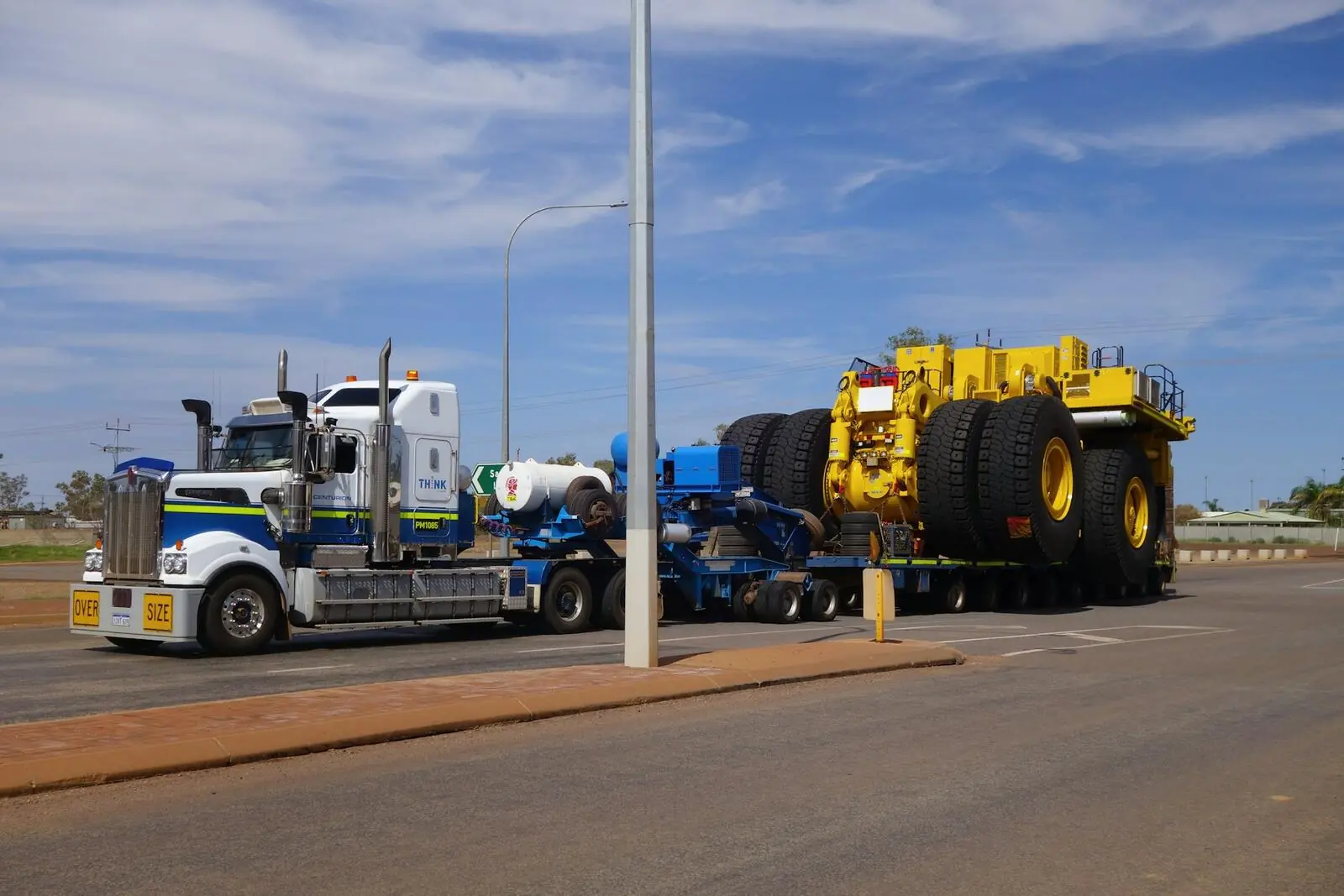
Stryke Logistics arranges heavy haul and oversize freight on removable gooseneck, lowboy, double drop and multi-axle trailers across Canada, the United States and Mexico. Permits, escorts, routes and travel times are planned around each piece's dimensions and weight before the move is booked, through qualified heavy-haul carriers.
At a glance
- Equipment
- Removable gooseneck (RGN), lowboy, double drop, step deck and multi-axle combinations with jeeps, boosters and flip axles
- Typical freight
- Construction and mining equipment, transformers, tanks and vessels, structural steel, modular buildings, agricultural equipment
- Ontario legal limits
- 2.6 m wide, 4.15 m high, 23 m overall combination length; beyond that, an MTO permit
- Permits
- Ontario annual, project, single-trip and superload; Quebec permis spécial de circulation; each U.S. state on the route
- Coverage
- Canada, the United States and Mexico, domestic and cross-border
- Quote response
- Within 12 hours for the rate; permit lead time depends on the load
What we arrange
Trailer chosen for the piece
A removable gooseneck when equipment drives on and needs a low deck; a lowboy for the tallest and heaviest pieces; a double drop for tall freight that is lifted on; a step deck for pieces that are tall but not heavy. When the weight is beyond a standard trailer, multi-axle combinations with jeeps, boosters and flip axles spread it to meet axle limits.
Ontario permits, sized to the move
In Ontario a load needs an MTO oversize/overweight permit once it passes 2.6 m wide, 4.15 m high, 23 m overall or the weight limits, and cannot be reduced. Annual permits run 12 months; project permits up to 6 months for similar loads on one route; single-trip permits one way for up to 7 days. Loads over 120,000 kg, 5 m wide or 45.75 m long are superloads, with a review that can take up to six months.
Escorts and travel times
In Ontario, escorts typically start at 4.0 m wide, at 36.76 m long, or when rear overhang passes 4.65 m, and a pole car leads loads 4.87 m high and up. Oversize loads also face night, holiday and weekend limits, and on single-trip and project permits cannot enter the GTA from 7:00 to 9:30 am or leave it from 3:30 to 6:30 pm. All of it is built into the schedule before a pickup date is promised.
Quebec and the United States
In Quebec, oversize vehicles and indivisible loads need a permis spécial de circulation, issued in classes from general oversize to exceptional loads that need Ministry engineering review. In the U.S., the federal width standard on the National Network is 102 inches, there is no federal height limit, and permits are issued state by state, each with its own escort, height and length rules.
Spring thaw planned for
Every spring, Ontario's reduced load period lowers axle weights on designated roads, and annual and project permits are not valid for overweight moves in March and April in the south, or March to May in the north. Heavy moves in that window are routed and permitted around it, or scheduled before or after.
Site, route and loading confirmed
Crane or ramp loading, site access, overhead wires, turning room and the receiver's hours are confirmed at both ends, and the route is checked against bridges, clearances and municipal roads, which may need separate permits from the provincial highways.
Choosing the right mode
Heavy haul is for freight that cannot be taken apart to fit legal size and weight. If the load fits legal limits, a standard open deck is simpler and costs less.
Within 2.6 m wide, legal height and legal weight
Flatbed, step deck or conestoga moves it without permits or escorts.
Flatbed & Open DeckEquipment that has to cross the border
Customs, eManifest and the permits on both sides are planned as one move.
Cross-Border Canada · U.S. · MexicoA single urgent replacement part
Hot-shot and dedicated expedited service moves small heavy pieces fast.
ExpediteMachinery that needs crating or staging
Warehousing partners crate, store and stage it before the move.
WarehousingCoverage and lanes
Heavy haul runs on all four lane types. Each province and state on the route issues its own permit and sets its own escort and travel rules, so the route is planned and permitted before the rate is final.
Canada domestic
Within Ontario, Ontario–Quebec, and east–west across Canada to the Prairies, British Columbia and the Atlantic provinces.
U.S. domestic
Between U.S. markets, from the Northeast and Midwest to the Southeast, Texas and the West Coast.
Canada–U.S. cross-border
Northbound and southbound through the main crossings, including Windsor–Detroit, Sarnia–Port Huron, Fort Erie–Buffalo and Lacolle–Champlain.
Mexico cross-border
Freight to and from Mexico, coordinated through U.S.–Mexico gateways such as Laredo.
Examples of lanes we arrange
- Southern Ontario machinery to Northern Ontario and Quebec mine sites
- Ontario transformers and tanks to the U.S. Midwest and Northeast
- Construction equipment between the Greater Toronto Area and Western Canada
- Agricultural equipment between Southwestern Ontario and the U.S. Midwest
- Industrial equipment from Ontario to Texas and Mexico
Examples only. We arrange lanes across Canada, the United States and Mexico.
How it works
- Send dimensions, weight and photos. Length, width, height and weight of each piece, with photos or drawings and how it loads.
- Equipment and route survey. We select the trailer, calculate the loaded dimensions and axle weights, and plan the route.
- Permits and escorts. Permits applied for in each province and state, escorts and travel windows booked.
- Load, secure and move. Loaded and secured on site, then moved within the permit's route and hours.
- Offload and POD. Offloaded at the destination and proof of delivery returned.
What to send for a quote
- Length, width, height and weight of each piece, and of any attachments removed
- Photos, drawings or spec sheets
- Loading and unloading method: crane, drive-on, forklift or skidding
- Site access at both ends: road restrictions, overhead lines, turning room, hours
- Ready date and required delivery date
- Whether the load crosses a border, and who the customs broker is
Related guides and tools
Frequently asked questions
What are heavy haul trucks?
Tractors and trailers built for loads too heavy, wide, tall or long for a standard flatbed: removable gooseneck, lowboy and double drop trailers, often with extra axles, jeeps and boosters to spread the weight. They move construction and mining equipment, transformers, tanks and similar freight under permit.
What is the difference between an RGN and a lowboy?
A removable gooseneck (RGN) is a type of lowboy whose front detaches so equipment can drive onto the deck. A typical RGN has a well of about 29 ft and about 12 ft of legal freight height. Lowboy is the broader name for these low-deck trailers: wells are typically about 24 to 29 ft, with freight height up to about 12 ft and capacity from about 40,000 to 80,000 lb depending on axles.
When is an oversize permit needed in Ontario?
When the vehicle and load exceed 2.6 m wide, 4.15 m high, 23 m overall combination length or the legal weights, and the load cannot be reduced. Cannot be reduced means it would lose its purpose, or take more than 8 work hours to dismantle. Single-trip permits are applied for at least 5 business days ahead.
When is an escort needed for an oversize load in Ontario?
Escorts typically start at 4.0 m wide in Ontario, with two on two-lane highways once a load passes 4.6 m. Loads 36.76 m long or more, rear overhang over 4.65 m and heights of 4.87 m and up also need an escort or pole car. Superloads need certified superload escorts.
Can oversize loads cross the Canada–U.S. border?
Yes. The move needs a permit from every province and state on the route, plus the normal customs, eManifest and customs broker arrangements. Escort and travel-time rules change at the border, so both sides are planned together.
What is the spring thaw or reduced load period?
A period each spring when thawing roads are weak, and Ontario lowers allowable axle weights on designated roads. Annual and project permits are not valid for overweight moves in March and April in the south, or March to May in the north. Municipal roads follow their own by-laws and signs.
How long do oversize permits take?
Ontario single-trip permits should be applied for at least 5 business days before the move. Superloads, over 120,000 kg, 5 m wide or 45.75 m long, can take up to six months of review. U.S. state permits vary by state and are applied for in parallel.
Get a Quote
Tell us about your lanes, volumes and timelines. You can expect a response within 12 hours.
Stryke Logistics
Vaughan, Ontario L4H 0S5